Infrastructure in Vancouver
A detailed breakdown of branch density and specialized commercial lending services within the Lower Mainland's financial district.
Read More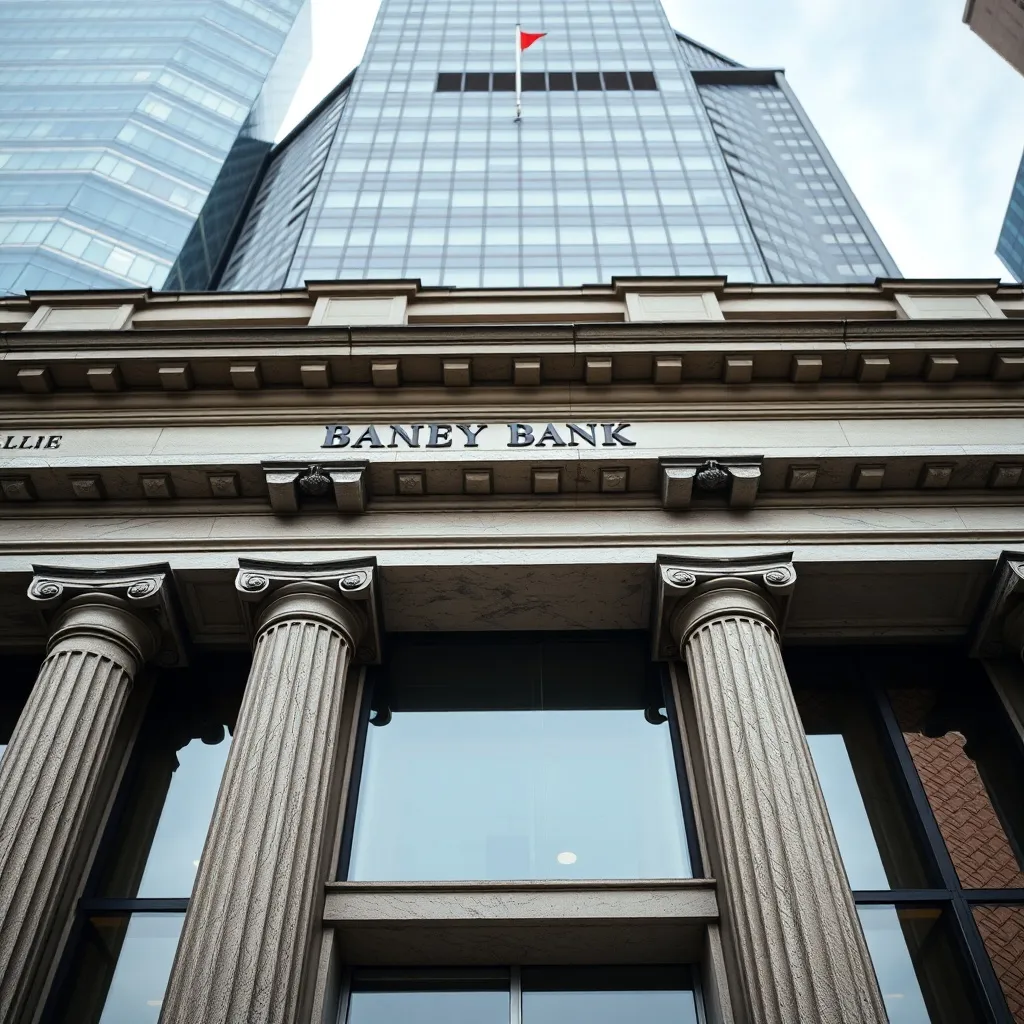
For over two centuries, the Canadian financial landscape has transitioned from fragmented colonial merchant credits to one of the world's most stable centralized banking systems. Understanding this progression is essential for selecting a modern partner that aligns with contemporary fiscal requirements and long-term asset protection.
The Canadian banking sector is dominated by the "Big Five" institutions, which have survived global financial crises through conservative lending practices and high capital requirements. Historically, these institutions relied on physical branch networks to establish trust and facilitate transactions. However, the last decade has seen a rapid shift toward digital-first infrastructure, forcing a re-evaluation of how consumers interact with their capital.
Modern selection criteria now extend beyond mere physical proximity. Factors such as API integration for third-party accounting software, the speed of Interac e-Transfer settlements, and the transparency of foreign exchange margins have become the new benchmarks. When analyzing the taxonomy of chequing and savings accounts, one must look past the introductory interest rates to find sustainable value.
A detailed breakdown of branch density and specialized commercial lending services within the Lower Mainland's financial district.
Read MoreIdentifying non-advertised charges in international wire transfers and non-sufficient funds (NSF) penalties across major lenders.
Read MoreCategorizing account structures by liquidity needs, interest yield potential, and accessibility for various demographic cohorts.
Read More| Institution Category | Core Advantage | Primary Fee Structure | Digital Capabilities |
|---|---|---|---|
| The Big Five Banks | Stability, widespread physical presence, full-suite services. | Tiered monthly fees ($4-$30) often waived with high balance. | High: Robust apps, integrated investment platforms. |
| Credit Unions | Member-owned, localized decision making, competitive rates. | Lower base fees, often profit-sharing dividends. | Moderate: Standard features, limited API integrations. |
| Digital-Only Banks | No monthly fees, high-interest savings, low overhead. | Zero monthly fees, low foreign exchange margins. | Superior: Optimized for mobile, streamlined UI. |
"The evolution of banking in Canada is not merely about moving from paper to screens; it is a fundamental shift in the power dynamic between institutions and account holders. Today, transparency is the most valuable currency."
— Senior Analyst, Sunlit QuartersThe Canada Deposit Insurance Corporation is a federal Crown corporation that protects your deposits up to $100,000 per category in the event of a bank failure. Always ensure your chosen institution is a CDIC member.
Most traditional banks waive fees if you maintain a minimum daily balance (typically $3,000 to $6,000). Alternatively, digital-only banks offer no-fee chequing accounts as a standard feature.
Yes, several major institutions offer "Newcomer Programs" that allow for remote application and initial wire transfers, though a physical meeting is usually required upon arrival to finalize identity verification.
Explore our comprehensive directories and analytical reports to make an informed decision about your banking future in Canada.